How many potential customers has your business lost simply because no one followed up on time?
It is a painful question to ask.
You spend hard-earned money and effort to get people interested. Then, the lead slips through the cracks.
For many B2B companies in Nepal, this is a very common challenge. Teams are busy, sticky notes get lost, and spreadsheets become messy. Without a clear system, good opportunities just fade away.
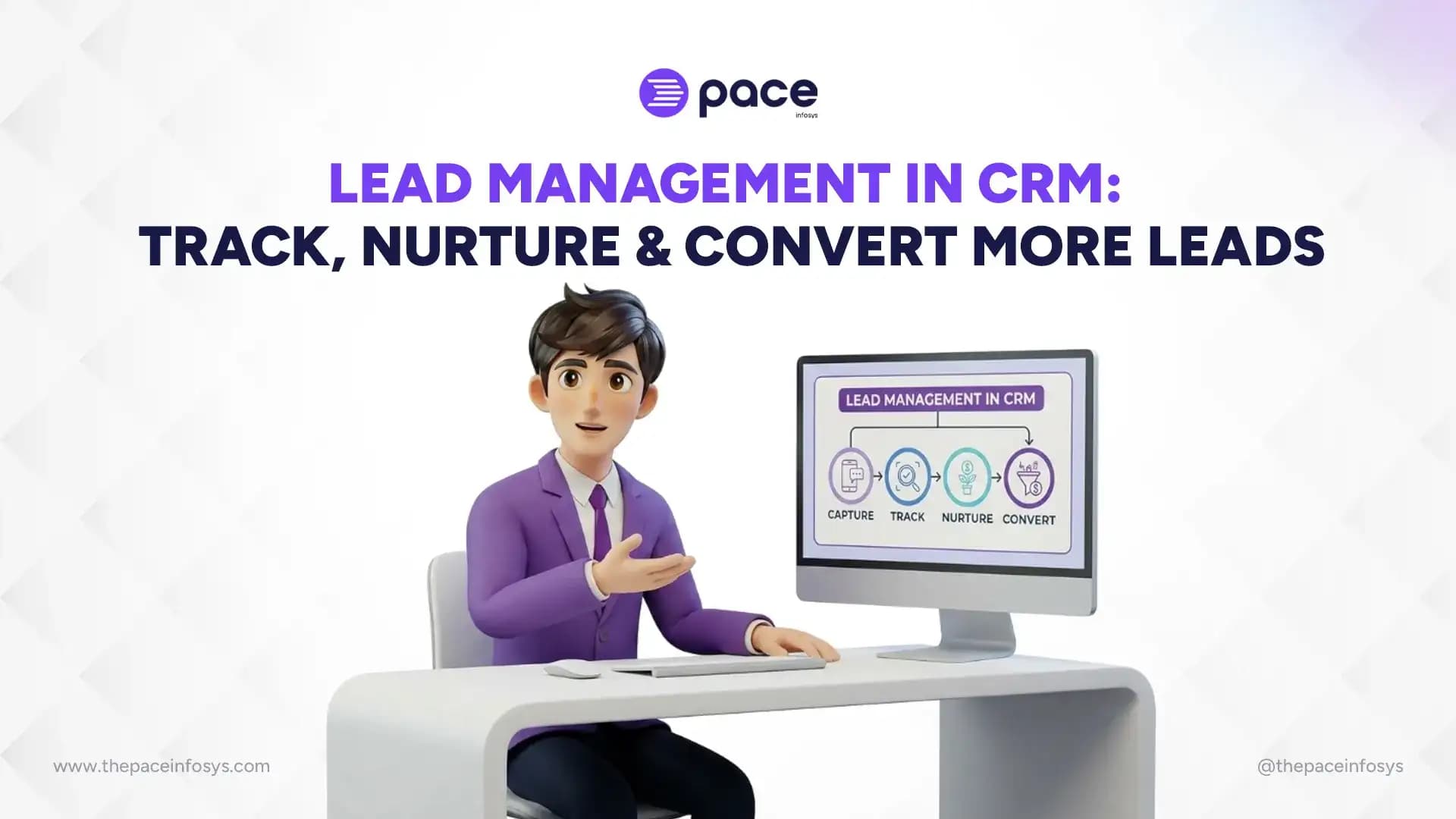
This is exactly where CRM-based lead management steps in to save the day. It is the perfect solution to keep your sales process smooth and organized. In this guide, you will learn exactly how to track, nurture, and convert your leads effectively.
Let us explore how you can stop losing customers and start growing your business with confidence.
What Is Lead Management in CRM?
Lead management is the simple process of finding potential customers and guiding them until they buy from you. It involves organizing their details, understanding what they need, and building a good relationship. When you do this right, a casual inquiry turns into a loyal client.
CRM systems make this entire process much easier. Instead of guessing who to call, the software tracks every single lead in one place. It shows you exactly where each person is in their buying journey.
Managing leads manually with notebooks or basic spreadsheets is slow and risky. You might forget an important email or misplace a phone number. On the other hand, a CRM keeps everything secure, sets helpful reminders, and makes sure no customer is ever ignored.
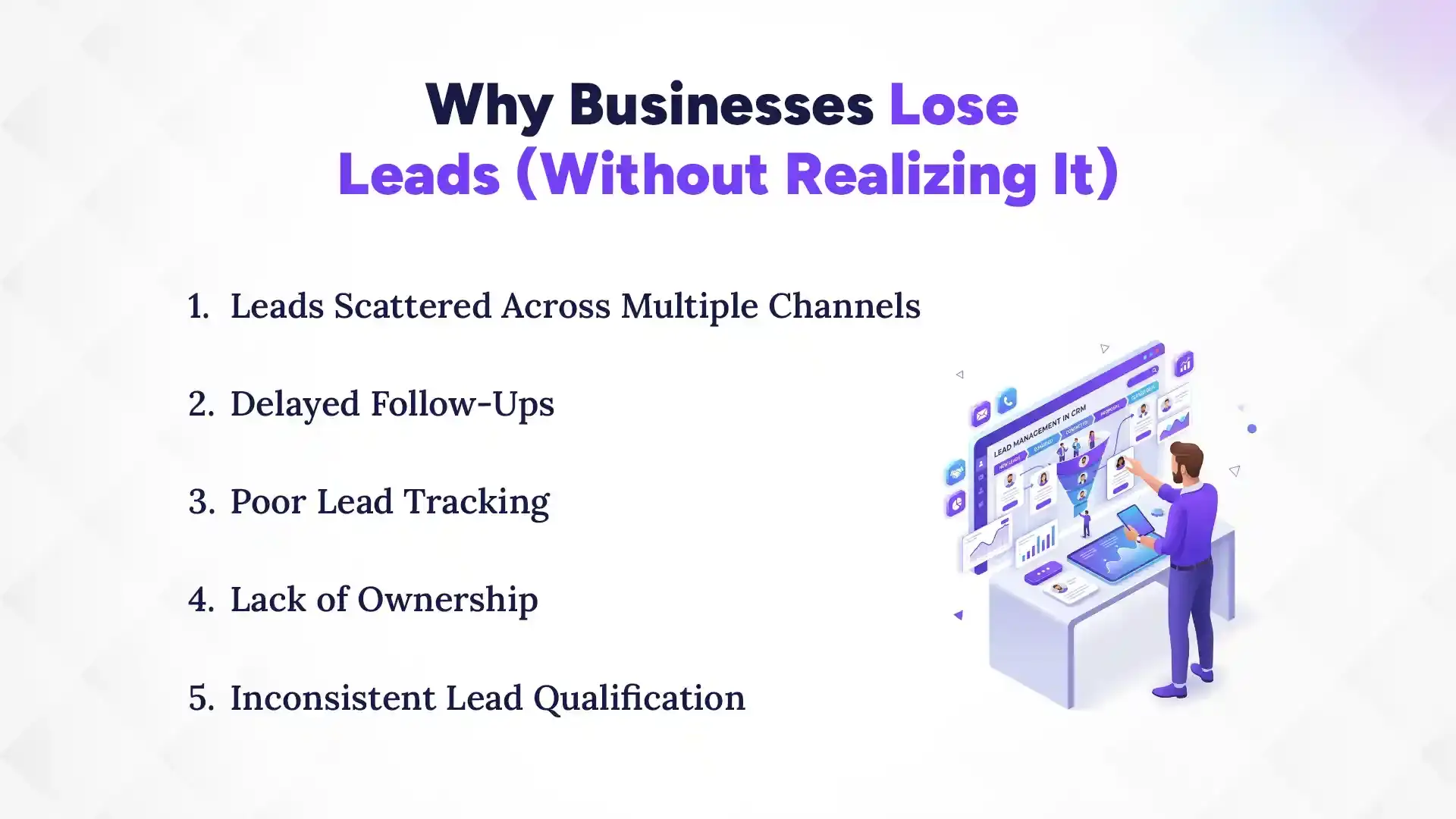
Why Businesses Lose Leads (Without Realizing It)
Businesses often lose leads because they lack a solid system to organize incoming inquiries. When sales processes are messy, important details easily slip away unnoticed. Let us look at the most common reasons why these valuable opportunities disappear.
1. Leads Scattered Across Multiple Channels
Your business probably gets messages from Facebook, emails, phone calls, and website forms. When these inquiries arrive in so many different places, it is very hard to track them all. Sales reps often miss messages simply because they forgot to check one specific app. Bringing everything into one central system fixes this easily.
2. Delayed Follow-Ups
Timing is everything when a potential customer shows interest in your product. If you wait too long to reply, they will simply go to your competitor. People expect quick answers and fast solutions in today’s fast-paced market. Setting up a system to remind your team ensures prompt replies every time.
3. Poor Lead Tracking
You cannot close a deal if you do not know where the customer stands. Sometimes, a salesperson forgets what they discussed in the last meeting. This makes the customer feel unimportant and frustrates everyone involved. A clear tracking method keeps the whole history visible so you always stay prepared.
4. Lack of Ownership
When a new lead comes in, someone must take charge immediately. If everyone assumes another person will handle it, the lead just sits there ignored. Clear assignment rules prevent this confusion from happening in your office. Assigning a specific owner means someone is always accountable for the final result.
5. Inconsistent Lead Qualification
Not everyone who asks about your product is ready to buy right away. Treating every single person like a hot prospect wastes a lot of time. Your team needs clear rules to decide who gets attention first. Grading leads properly helps your sales staff focus on the best opportunities.
Why Lead Management Matters for B2B Businesses in Nepal?
Lead management matters for B2B businesses in Nepal because it helps track opportunities, improve follow-ups, shorten sales cycles, and increase the chances of converting prospects into customers. Managing leads properly is especially crucial for companies operating in Nepal's growing and increasingly competitive business landscape.
Since B2B purchases often involve multiple decision-makers and longer sales cycles, a structured lead management process can make a significant difference in winning more business.
Here are the main reasons why a structured approach makes a massive difference:
1. Longer Sales Cycles
Selling to another business usually takes much more time than selling to a regular shopper. You might need to hold several meetings over a few months. Keeping track of all these interactions is tough without a proper tool. A good management plan keeps the deal moving forward without stalling.
2. Multiple Decision-Makers Involved in Purchasing
In a typical Nepali company, several managers need to agree before buying anything. You will often talk to the user, the finance head, and the boss. Keeping track of who said what can get very confusing quickly. Proper records ensure you satisfy everyone's concerns and secure the final approval.
3. Higher Customer Acquisition Costs
Finding a new business client costs a lot of time, energy, and money. You pay for marketing, attend trade shows, and spend hours in meetings. Losing a lead after spending all those resources hurts your overall profit. Managing them well protects your investment and ensures a better financial return.
4. Importance of Nurturing Leads Before Conversion
Most businesses will not buy from you on the very first day. They need to trust your brand and understand your value first. Sending them helpful information slowly builds that essential trust over time. Nurturing keeps your company in their mind until they are finally ready to pay.
How CRM Lead Management Works
CRM lead management works by capturing leads, assigning them to the right team members, tracking every interaction, automating follow-ups, and guiding prospects through the sales pipeline until they become customers. A CRM system acts like a smart assistant that handles many of your daily sales tasks. It organizes your work so you can focus on building relationships and closing deals.
Here is exactly how this powerful software supports each stage of the lead management process.
1. Lead Capture
The software automatically grabs new inquiries from your website, emails, and social media. You never have to type out contact details by hand ever again. Everything flows straight into one secure digital bucket for you. This immediate action guarantees no potential client is left behind.
2. Lead Assignment
Once a new contact arrives, the system quickly sends it to the right person. You can set rules based on the region, product, or team availability. The assigned salesperson gets an instant alert to start working immediately. This rapid handover removes any confusion about who should call them.
3. Lead Tracking
The CRM records every single phone call, email, and meeting in a neat timeline. Anyone on your team can instantly see what was promised to the customer. You never have to search through old notebooks to find details. This clear history helps you provide a highly personalized service.
4. Lead Nurturing
Not all contacts want to buy right this minute, and that is perfectly fine. The system helps you send automated emails to keep them interested. It also reminds you to follow up after a few weeks. These gentle nudges build a strong relationship until they finally decide.
5. Lead Conversion
This is the happy moment when a prospect finally agrees to your offer. The software easily upgrades their profile from a lead into a paying customer. All their past information moves over to the new deal seamlessly. This smooth transition sets the stage for excellent long-term service.
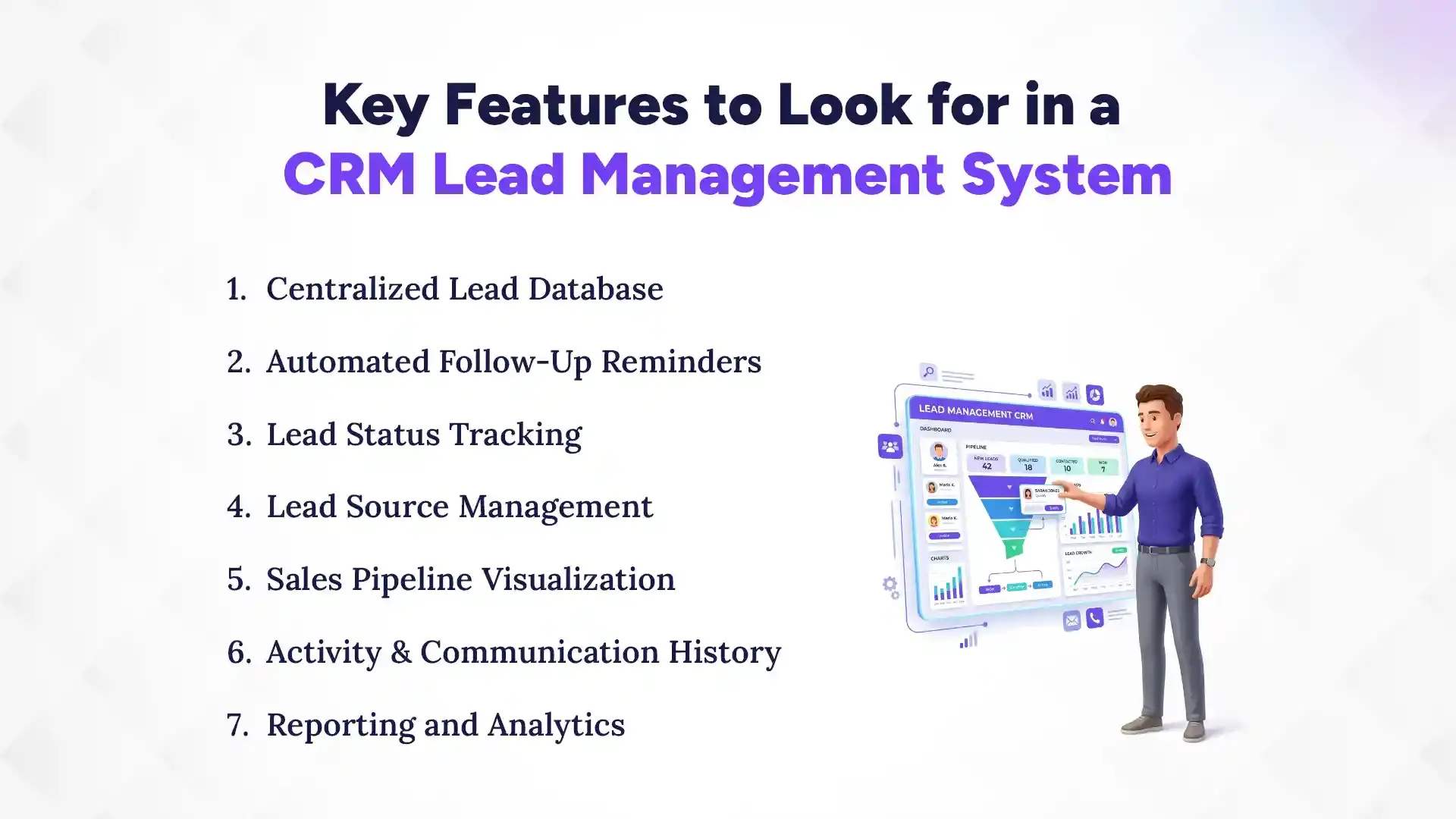
Key Features to Look for in a CRM Lead Management System
The key features to look for in a CRM lead management system include lead capture, lead tracking, automated follow-ups, lead assignment, pipeline management, and reporting tools.
Picking the right CRM software can feel tricky if you do not know what matters. The best tools always have a few essential features built right in. Let us look at the top functions you absolutely need for success.
1. Centralized Lead Database
A good system keeps every single customer detail in one secure, easy location. You will never have to hunt through messy folders or old chat logs. Everyone on your sales team looks at the exact same, updated information. This single source of truth makes daily work much calmer.
2. Automated Follow-Up Reminders
Forgetting to call someone back is the easiest way to lose a deal. A smart CRM sends you a handy notification when it is time to connect. You can plan your whole day around these clear, automated alerts. It feels like having a personal assistant tapping your shoulder.
3. Lead Status Tracking
You always need to know if a lead is brand new or almost closed. The software lets you tag each person with a clear, current status. This quick label helps you decide who needs your attention the most today. It takes the frustrating guesswork out of your daily planning.
4. Lead Source Management
It is crucial to know exactly where your best customers are coming from. The system tracks if they found you through Facebook, Google, or a friend. You can then spend more of your marketing budget on what actually works. This simple feature saves you a lot of wasted money, making all the cost of your CRM software worth the spend!
5. Sales Pipeline Visualization
A visual board shows your entire sales process in simple, neat columns. You can easily drag and drop a customer's card as they move forward. This clear picture lets you see exactly how much money is pending. It is a highly satisfying way to watch your business grow.
6. Activity and Communication History
Every single email and phone call gets saved directly on the customer's profile. If a teammate goes on leave, you can easily read their past notes. You will always sound informed and professional when you take over the account. This shared memory is wonderful for keeping clients totally happy.
7. Reporting and Analytics
Managers need clear numbers to see if the sales team is doing well. The CRM creates beautiful charts that show your daily and monthly progress. You can quickly spot problems and help your team fix them before it hurts. Good data makes growing your company so much easier.
Signs Your Business Needs a Better Lead Management System
Your business may need a better lead management system if leads are being missed, follow-ups are inconsistent, customer information is scattered, or your sales team struggles to track opportunities effectively. Sometimes, a company outgrows its old ways of doing things without even noticing. What once worked with a handful of prospects can quickly become chaotic as your business grows.
If your daily sales process feels disorganized or opportunities keep slipping away, it may be time to upgrade your lead management approach. Watch out for these clear warning signs in your own office.
1. Leads Frequently Go Unanswered
If you see inquiries sitting in your inbox for days, you have a problem. Customers lose interest fast when they feel ignored by your staff. Your current method is clearly failing to highlight urgent tasks properly. A solid system ensures every message gets a quick, polite reply.
2. Sales Teams Rely Heavily on Spreadsheets
Excel is a great tool, but it is terrible for tracking busy sales. Spreadsheets get messy quickly when multiple people edit them at once. Formulas break, data gets deleted, and finding old notes becomes a nightmare. Upgrading to real software instantly cures this major daily headache.
3. Customer Information Is Difficult to Find
Searching for a simple phone number should not take you ten long minutes. When details are buried in emails or written on paper, you waste precious time. This delay makes you look very unprofessional to the waiting client. A proper database puts every single detail just one click away.
A boss should always know how many deals are closing this week. If pulling a simple progress report takes hours of confusing work, something is wrong. You cannot fix bad sales months if you cannot see the real numbers. Live dashboards give leaders the clear facts they truly need.
5. Follow-Ups Depend on Individual Memory
The human brain is simply not designed to remember fifty different meeting times. If your team relies on memory, important clients will eventually be forgotten. One busy day is all it takes to ruin a great potential deal. Automated schedules take this heavy burden completely off your mind.
What are the Benefits of CRM-Based Lead Management?
Lead management in CRM helps businesses track every lead from first contact to conversion. Discover how CRM software improves follow-ups, lead tracking, and sales performance. The right software transforms a stressful workplace into a highly productive environment. Let us explore the wonderful rewards you will experience after making the change.
1. Faster Response Times
When all your incoming messages live in one clear spot, you reply quickly. The system even helps you send instant welcome emails to new contacts. Customers love companies that pay attention to them right away. This rapid speed gives you a massive edge over slower local competitors.
2. Improved Lead Conversion Rates
Better tracking naturally leads to closing far more business deals each month. You stop losing good prospects simply because someone forgot to call them back. The software helps you focus on the most profitable people first. Ultimately, this organization turns more casual conversations into actual paying clients.
3. Better Team Collaboration
A shared system lets your whole office work together like a true team. If someone is sick, another person can smoothly take over their hot leads. Everyone reads the same notes and understands the exact same goal. This open sharing completely destroys office confusion and annoying miscommunication.
4. More Accurate Sales Forecasting
Knowing exactly how much money will arrive next month is wonderful for planning. The CRM looks at your current deals and predicts your future income. You can finally make smart choices about hiring staff or buying new equipment. Guessing becomes a thing of the past for your business.
5. Increased Revenue Opportunities
When you manage contacts well, you easily spot chances to sell more items. You can offer a better product to someone who is already very interested. The system also reminds you to renew contracts with older, happy clients. These small extra sales add up to massive yearly profits.
6. Enhanced Customer Experience
Buyers feel deeply respected when you remember their exact needs and past chats. They do not have to repeat their story every time they call you. The software makes your entire company look highly organized and totally professional. Happy clients stay longer and recommend your business to their friends.
How to Implement Lead Management Successfully?
To implement lead management successfully, businesses need to define a clear lead process, assign ownership, automate follow-ups, and ensure consistent tracking throughout the sales cycle. Buying the software is only the first step. You must also set it up correctly so your team actually uses it effectively. Follow these straightforward steps to roll out your new system perfectly.
1. Define Your Lead Stages
You must map out the exact steps a customer takes before buying. Give clear names to stages like "New Entry," "Contacted," and "Meeting Scheduled." This simple map helps everyone understand where a deal currently stands. It keeps the whole office speaking the exact same sales language.
2. Standardize Lead Qualification Criteria
Decide exactly what makes a person a truly good fit for your business. Create a short checklist to see if they have the budget and need. This prevents your team from wasting hours on people who will never buy. It guarantees your staff only chases highly profitable, real opportunities.
3. Automate Repetitive Tasks
Let the computer do the boring, robotic work for you every single day. Set up rules to automatically send welcome emails and assign new incoming contacts. This frees up your clever human workers to have meaningful, real conversations. Automation is the secret to doing more work with less stress.
4. Train Your Sales Team
Even the best tool is totally useless if your staff hates using it. Spend time showing everyone exactly how the new software makes their job easier. Answer their questions patiently and provide a simple, helpful guide. Good training ensures they actually log in and use it properly daily.
5. Monitor and Optimize Continuously
Your business changes over time, and your software setup should change too. Look at your results every month to see what is working well. Ask your team for honest feedback on what feels slow or clunky. Making small, smart tweaks keeps your entire process running perfectly smoothly.
Common Mistakes to Avoid in Lead Management
Even smart companies can slip up when setting up their new sales processes. Avoiding a few common traps will save you massive amounts of frustration. Keep an eye out for these frequent errors as you build your system.
1. Treating Every Lead the Same
A college student researching your product is not the same as a ready buyer. If you send them the exact same pitch, you will annoy them both. You must tailor your friendly messages based on their unique needs. Smart sorting ensures the right person gets the exact right offer.
2. Failing to Follow Up Consistently
Calling a prospect just one single time is never actually enough to win. Most deals require at least five polite conversations before a final decision. Giving up too early is the biggest mistake a sales rep can make. Persistence shows the client that you truly value their precious business.
3. Ignoring Lead Source Data
If you never check where your leads originate, you are driving blindfolded. You might spend thousands on ads that only bring in completely useless inquiries. Always track which channels give you the easiest, most profitable actual customers. This data helps you spend your marketing money much more wisely.
4. Using CRM as a Contact List Instead of a Sales Tool
A CRM is not just a fancy, expensive version of a phone book. If you only use it to store names, you waste its incredible power. You must actively use the reminders, pipelines, and reporting tools daily. Treat it like a dynamic engine that actively drives your daily growth.
5. Not Measuring Lead Conversion Performance
You cannot improve your team if you never check their final closing rates. If a lot of deals fail at the last step, you need to know. Tracking these simple numbers highlights exactly where your staff needs extra coaching. Regular checks keep your whole business healthy and constantly growing.
How Pace CRM Helps Businesses Manage Leads More Effectively
Pace CRM helps businesses manage leads more effectively by centralizing lead data, automating follow-ups, tracking sales activities, and providing complete visibility into the sales pipeline. Finding a tool built for your unique business needs makes lead management much easier.
Pace CRM is designed to help growing teams stay organized, respond faster, and ensure that no sales opportunity slips through the cracks. Here is how the platform can transform your daily sales process.
1. Centralized Lead Capture
Pace CRM instantly pulls all your new inquiries into one simple, clean dashboard. You never have to copy details from Facebook or your website again. The system securely locks the information in place so nothing ever vanishes. This gives you a totally stress-free start to every single workday.
2. Automated Lead Assignment
The software looks at new contacts and instantly hands them to the right person. You do not have to waste time deciding who should make the call. Your team members receive a quick notification on their screen immediately. This ensures every single prospect gets a warm welcome very fast.
3. Follow-Up Reminders and Activity Tracking
You will never forget to call a client back with Pace CRM helping you. It sends you a friendly alert right when it is time to connect. It also saves every single note you type about the important conversation. This makes your daily work feel incredibly calm and controlled.
4. Sales Pipeline Visibility
The visual board lets you view your entire business in one quick glance. You can happily slide a customer's card closer to the finish line. It shows you exactly which deals need a little extra gentle push today. This clarity removes all the stressful guesswork from your busy management.
5. Reporting and Performance Insights
Pace CRM creates beautiful, simple charts that explain your daily success perfectly. You can easily see which team member is closing the most profitable deals. The data helps you fix small problems before they become huge, expensive disasters. These smart insights guide you toward much higher yearly profits.
Conclusion
Losing leads rarely happens because people do not want to buy your products. It almost always happens because your internal processes are messy and slow. A strong CRM-based lead management system fixes this entirely by ensuring every inquiry gets tracked, nurtured, and followed up properly.
Think about the peace of mind that comes with knowing no opportunity is slipping away. When your team feels organized, they can finally focus on building genuine human connections instead of hunting for lost phone numbers. The businesses that win more customers are often the ones that follow up better, not necessarily the ones with the best products.
Stop letting your hard-earned prospects walk over to your competitors. Take control of your sales process today, organize your pipeline, and start turning those casual conversations into lasting business relationships!
FAQs
What is lead management in CRM?
+
It is the process of using software to capture, track, and guide potential customers from their very first inquiry until they make a final purchase.
How does CRM help prevent lost leads?
+
It stores all contact details safely, sends your team automatic follow-up reminders, and gives you a clear communication history so no one is ever forgotten.
What is the difference between lead management and sales management?
+
Lead management focuses on organizing and nurturing new inquiries until they are ready to buy. Sales management handles the final steps of actually closing the deal.
Can small businesses benefit from CRM lead management?
+
Absolutely. It helps small teams look highly professional, save precious daily time, and compete directly with much larger, established companies.
How do you track leads effectively?
+
You track them effectively by keeping all their data in one central software, updating their progress status regularly, and logging every single conversation you have.
What are the stages of lead management?
+
The main stages usually include capturing the lead, assigning them to a sales rep, tracking their progress, nurturing the relationship, and final conversion into a customer.
Ready to get started?
Book a 30-minute consultation call, and let's talk about your goals.